
Technical Forum
Professional insights and technical analysis from the AIC Engineering team on magnetic materials, magnetic sensors, motor design, and application engineering.

How Do Heavy Rare Earth Free NdFeB Magnets Actually Perform in EV Traction Motors?
The decision facing an EV traction-motor engineer is no longer only “which magnet grade,” but which grade remains viable once rare-earth supply risk and customer compliance requirements are priced into the design. For more than a decade, dysprosium and terbium have been the usual additives that help sintered NdFeB retain coercivity at the elevated temperatures found in a traction-motor rotor. Those two elements also sit in a concentrated, geopolitically sensitive part of the supply chain, and they are the elements that a growing set of customer specifications now seeks to reduce or eliminate. The engineering question is therefore whether the coercivity and temperature-headroom penalty of a heavy-rare-earth-free (HRE-free) grade is acceptable against the compliance, cost-stability, and supply-security benefits it can buy. That is a trade-off between a measurable drop in high-temperature coercivity margin and a reduction in heavy-rare-earth exposure that cannot be read off a BH curve.
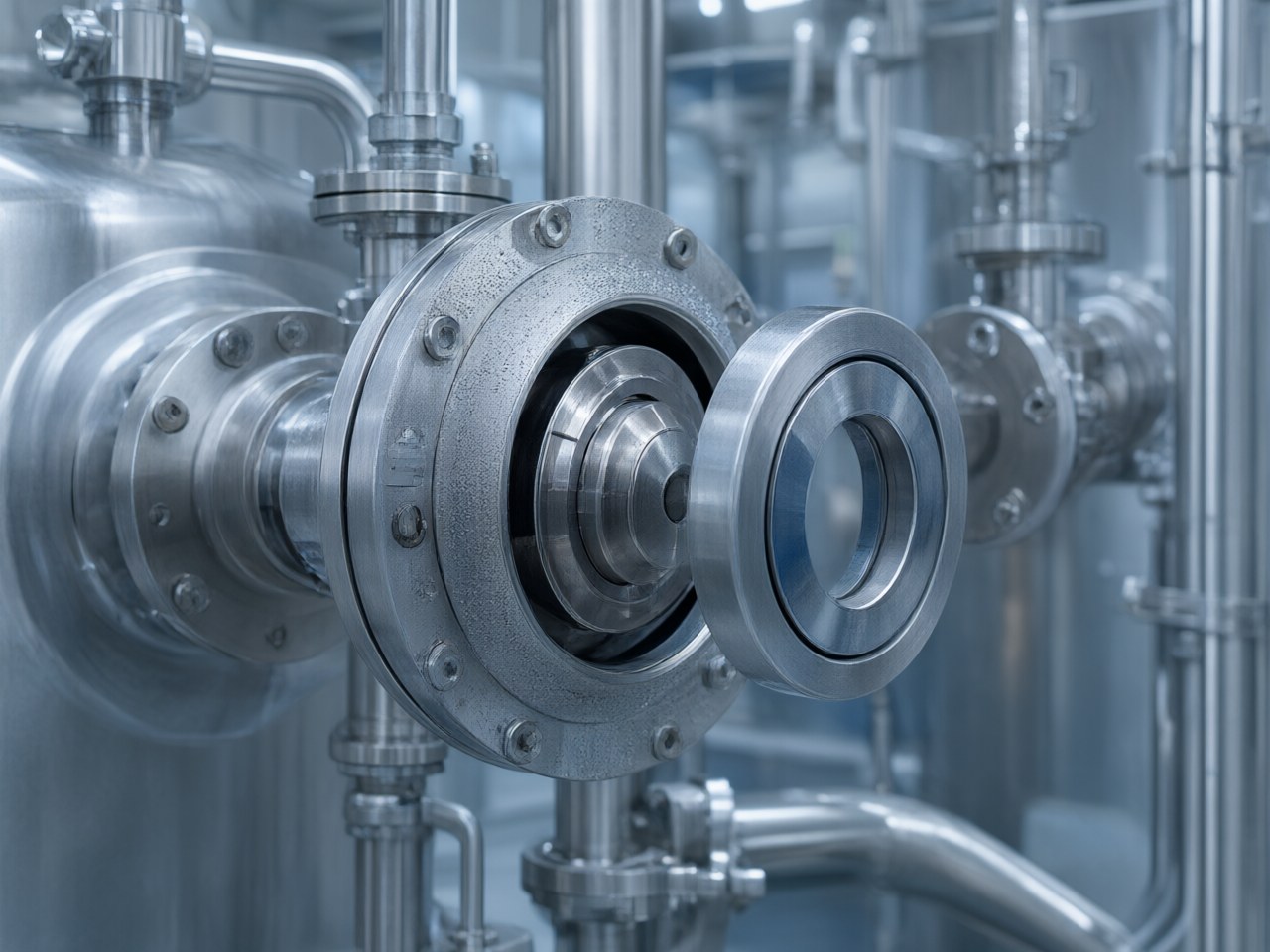
Why Do Medical, Food, and Chemical Industries Prefer Non-Contact Magnetic Drives?
Across industries where contamination is unacceptable, leakage is dangerous, and downtime is expensive, mechanical seals are no longer the automatic choice for transmitting torque through a pressure boundary. Non-contact magnetic drives are displacing them in a growing share of pharmaceutical, food, and chemical rotating equipment. The shift is being driven by tighter hygiene expectations, the cost of seal maintenance, and a simpler containment argument: if the shaft does not pierce the vessel, a dynamic seal is no longer the weakest point in the pressure boundary. This article sets out the engineering reasons for that preference and a practical framework for engineers and procurement teams evaluating magnetic-drive adoption.
Magnetic Sensing and Magnetic Transmission Solutions in Industrial Automation Equipment: From Encoders to Couplings
On an industrial automation line, position feedback and torque transmission are parallel chains. Magnetic encoders serve the first chain: they convert rotary or linear motion into a readable electrical signal. Magnetic couplings serve the second: they transfer torque across a static barrier with no mechanical contact. Both rest on the same physical platform—the spatial arrangement of permanent magnets and a soft-magnetic return path—but their optimization logic is not the same.
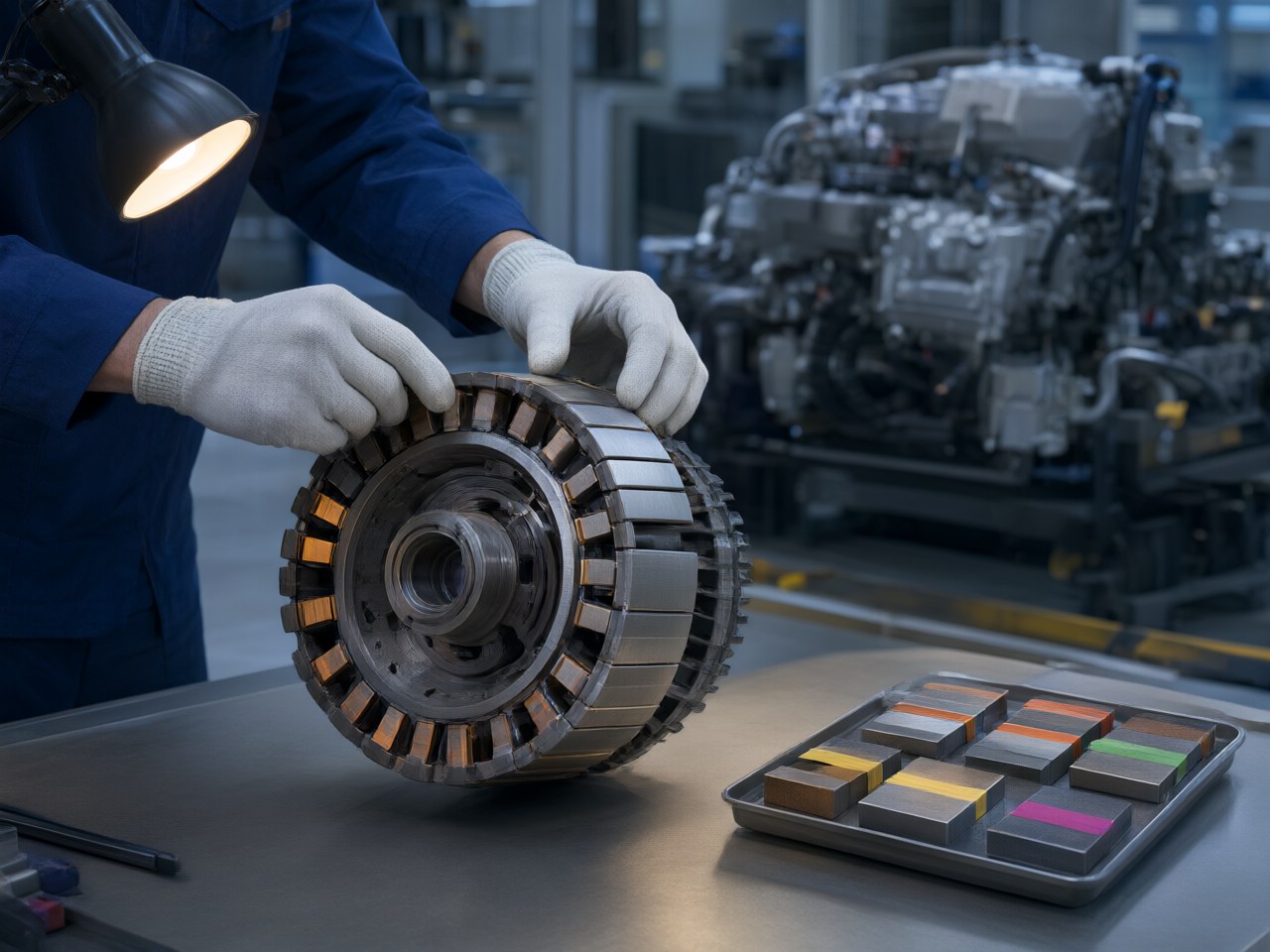
What Magnetic Materials Are Commonly Used in New Energy Vehicle Motors? A Complete Analysis of Drive Motor Magnet Applications
The electric vehicle powertrain is converging on a handful of magnetic material families, yet the selection landscape is shifting faster than most design teams realize. Rare-earth supply volatility, rising power-density targets, and cost-down pressure from OEMs are reshaping which materials win in production programs versus which merely look good on a datasheet. This article maps the current state and near-term trajectory so that design engineers and sourcing teams can make informed, defensible decisions for the next platform cycle.
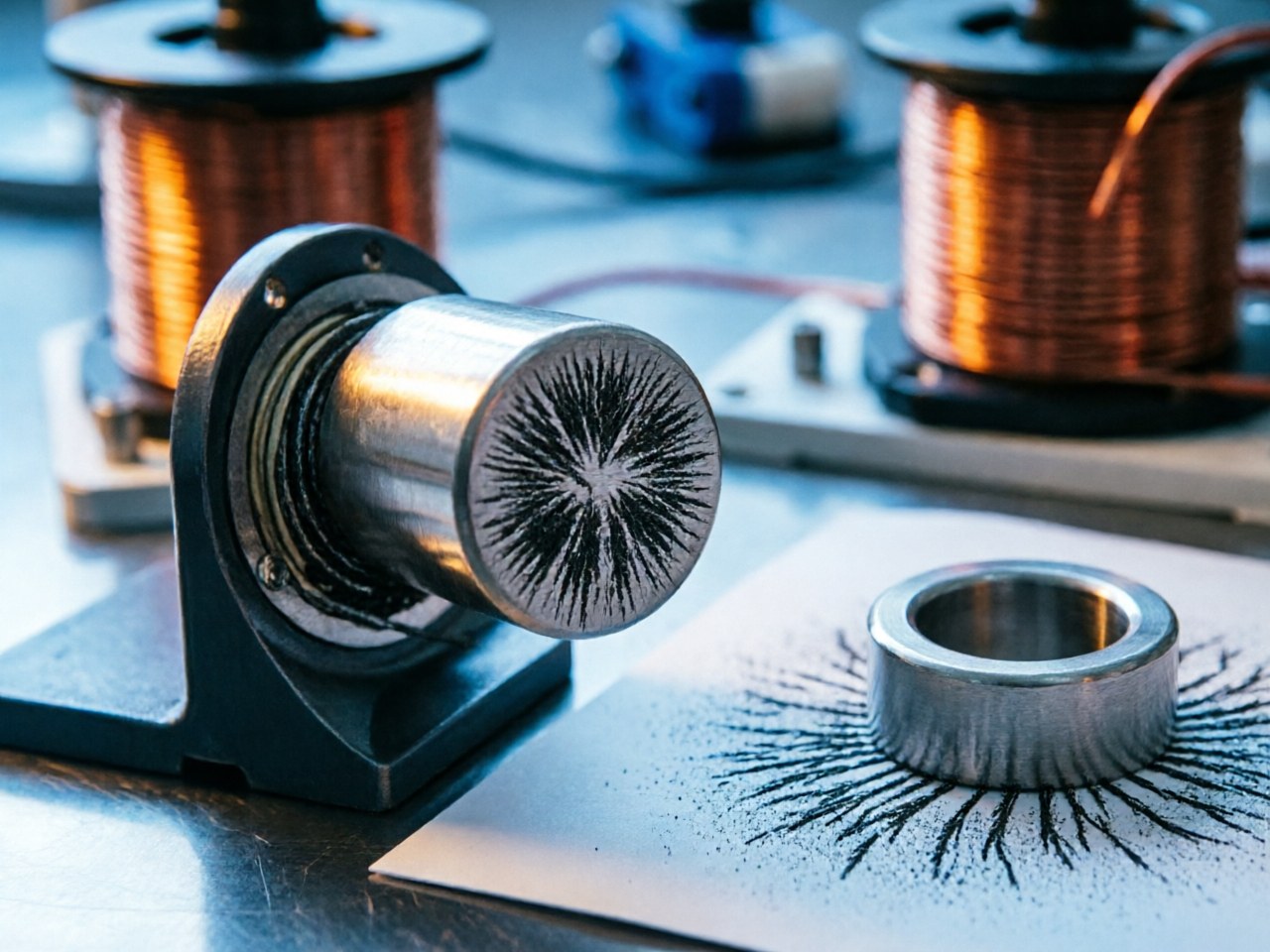
What Are the Magnetization Directions for Permanent Magnets? Axial, Radial, Multipole, and Skewed Pole Magnetization Explained
Selecting the optimal magnetization direction for permanent magnets is a critical yet frequently overlooked design decision that directly impacts motor torque ripple, sensor signal fidelity, coupling efficiency, and system noise. This article bridges the gap between…

How to Choose Coatings for NdFeB Magnets? Difference Analysis of Nickel-Copper-Nickel, Epoxy, and Phosphating
Sintered NdFeB magnets deliver exceptional magnetic performance but suffer from inherent corrosion vulnerability due to their iron-rich microstructure. Inappropriate surface protection frequently leads to field failures such as flux degradation, delamination, and white powder…
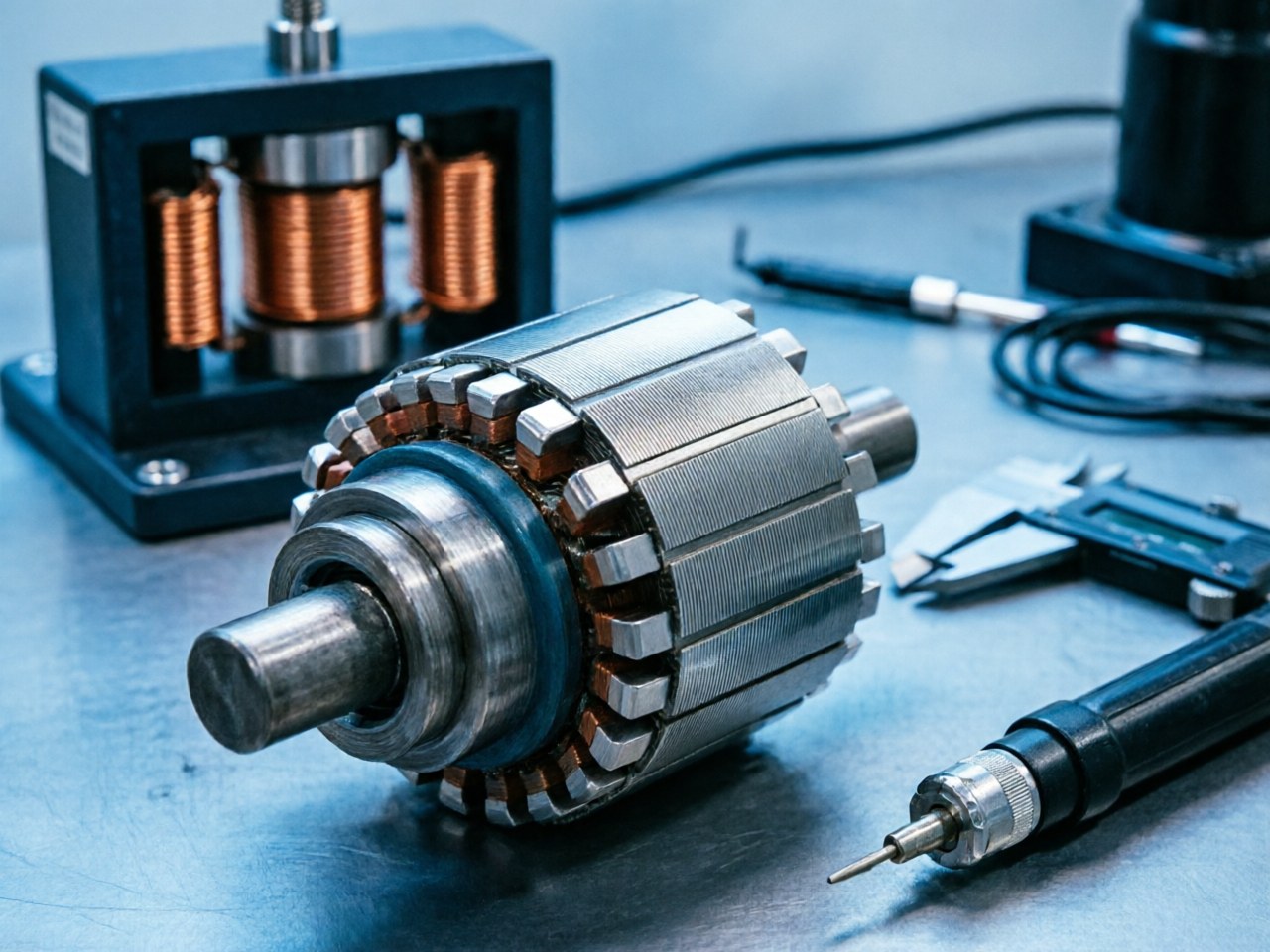
How to Select Permanent Magnets for Motor Rotors: Materials, Magnetic Circuits, and Magnetization Methods Explained
Selecting permanent magnets for electric motor rotors requires balancing magnetic performance, thermal resilience, and supply chain stability. Engineers often face cascading trade-offs where an undersized grade increases inverter current and thermal stress, while an overly…
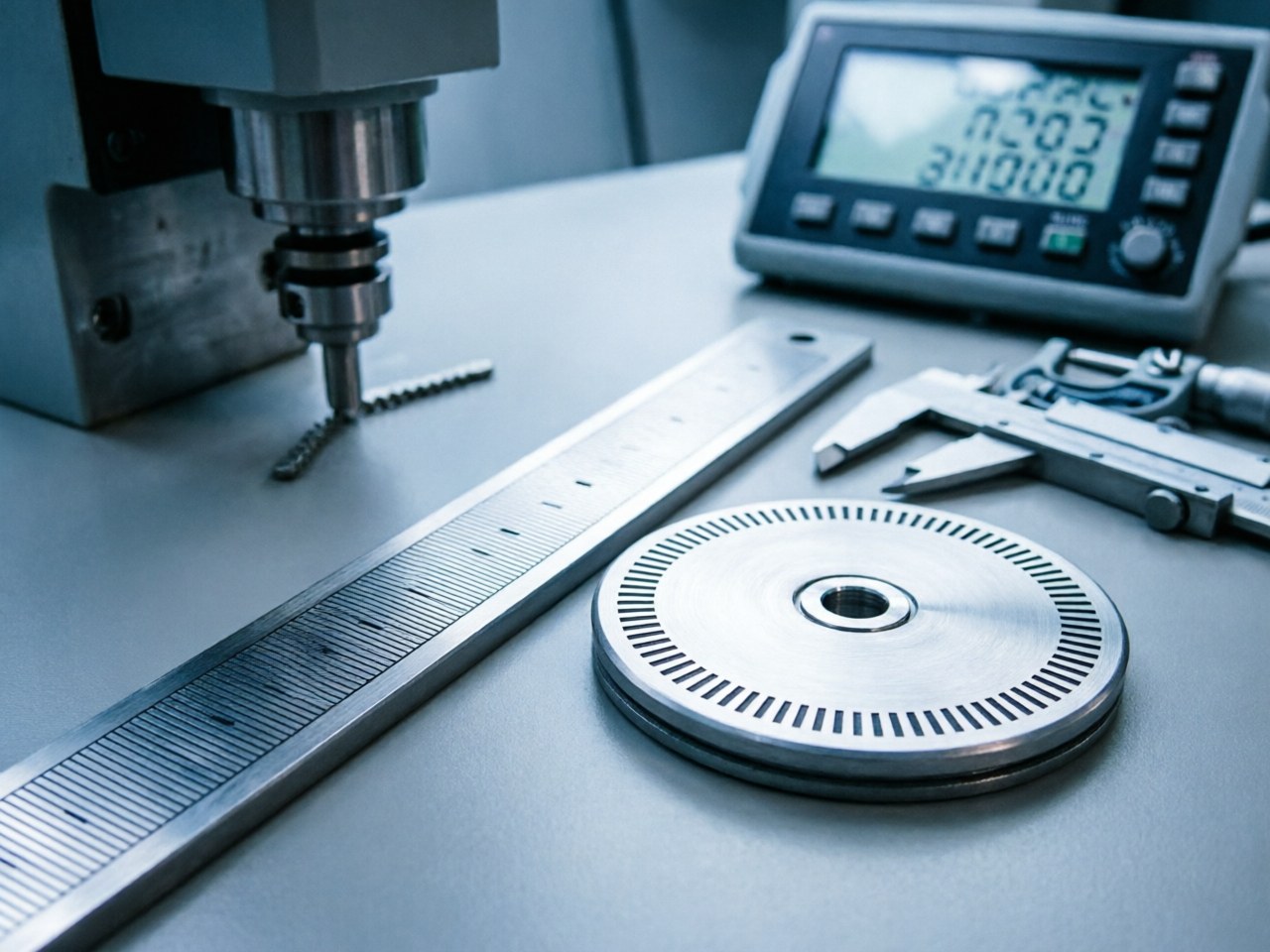
Differences Between Magnetic Scales and Precision Code Discs: How to Select Magnetic Encoding Products
Precision motion control systems in CNC machinery, robotics, and semiconductor equipment face a critical selection challenge when specifying magnetic feedback components. Choosing between linear magnetic scales and rotary precision code discs directly impacts positioning…
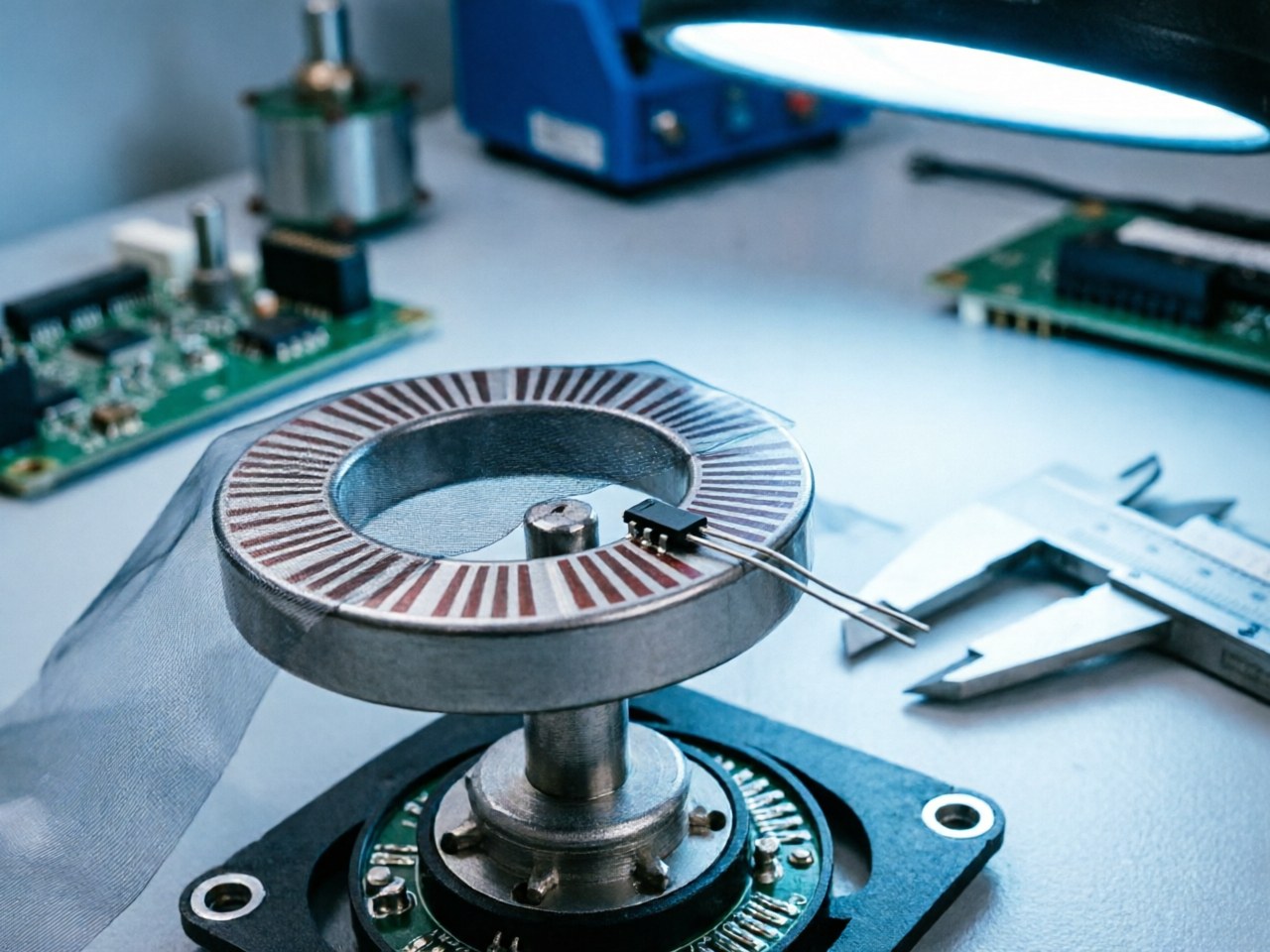
How to Design Magnets for Hall Sensors: Key Considerations on Pole Count, Dimensions, and Field Distribution
Author: AIC Engineering (骏材磁应用团队) | Material: | Industry: Key Considerations on Pole Count, Dimensions, and Field Distribution Why Hall Sensor Magnet Design Is Harder Than It Looks
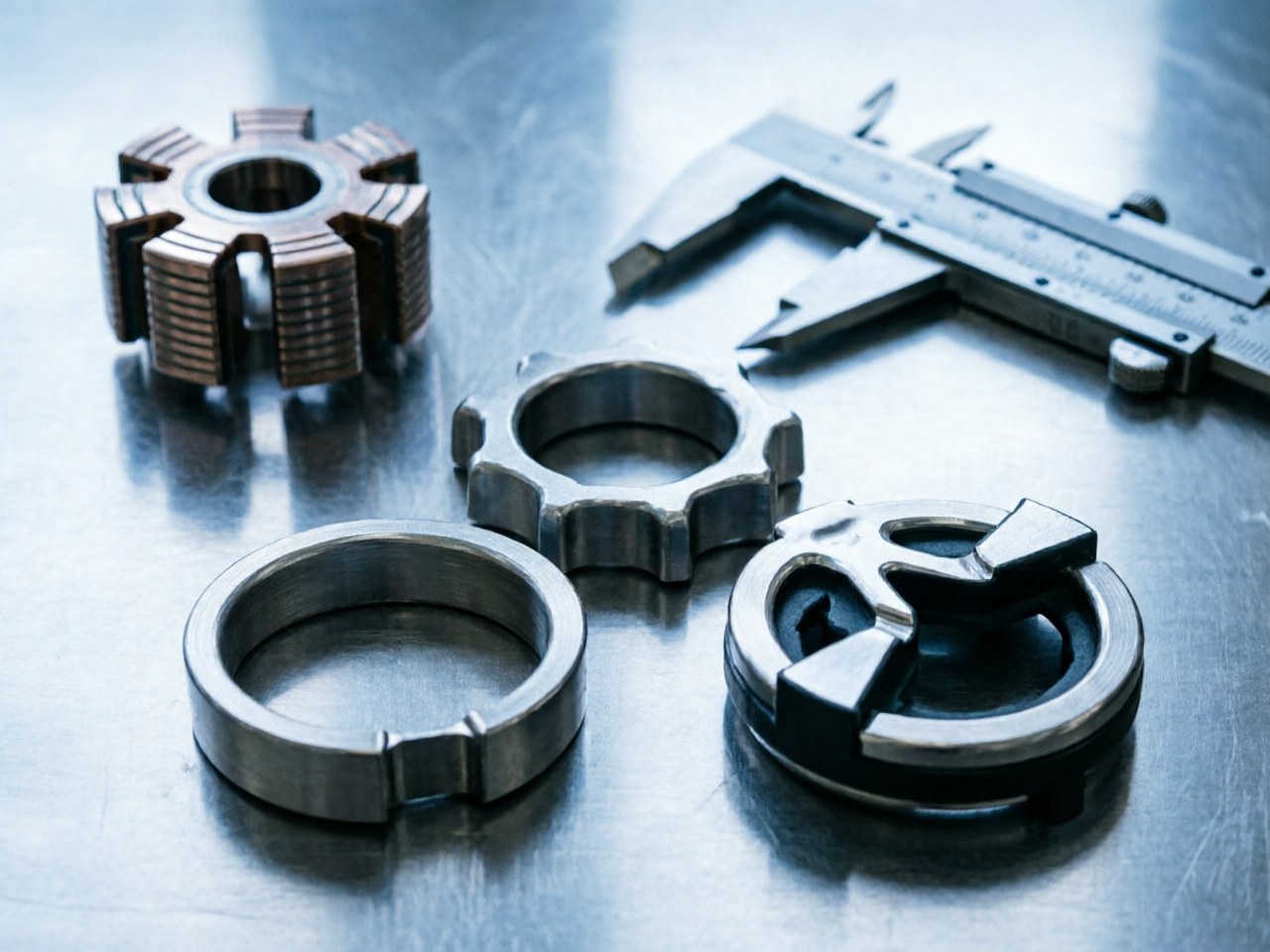
What Complex Structures Are Injection-Molded NdFeB Magnets Suited For? Process Characteristics and Application Analysis
Precision electromechanical systems frequently require magnets with irregular cross-sections, thin walls, or integrated metal-plastic assemblies, yet conventional sintered NdFeB is constrained by brittleness and secondary machining costs. This article evaluates…
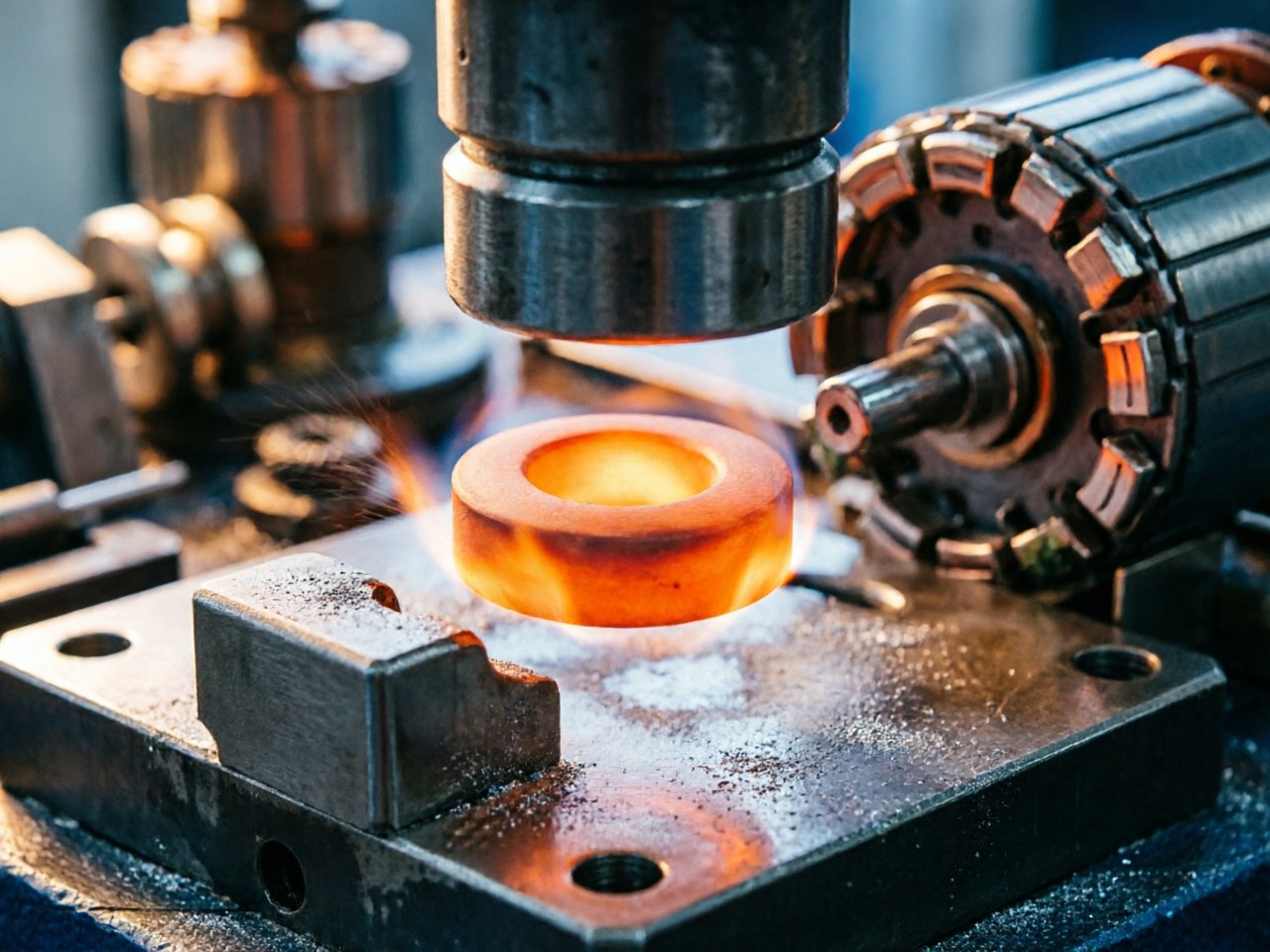
Manufacturing Process and Advantages of Hot-Pressed NdFeB Magnets: Why They Suit High-Performance Motors
High-performance motor designers face a persistent trade-off between maximizing torque density and managing the brittleness, material waste, and assembly risks of conventional sintered NdFeB magnets, especially for thin or complex rotor geometries. This article examines the…
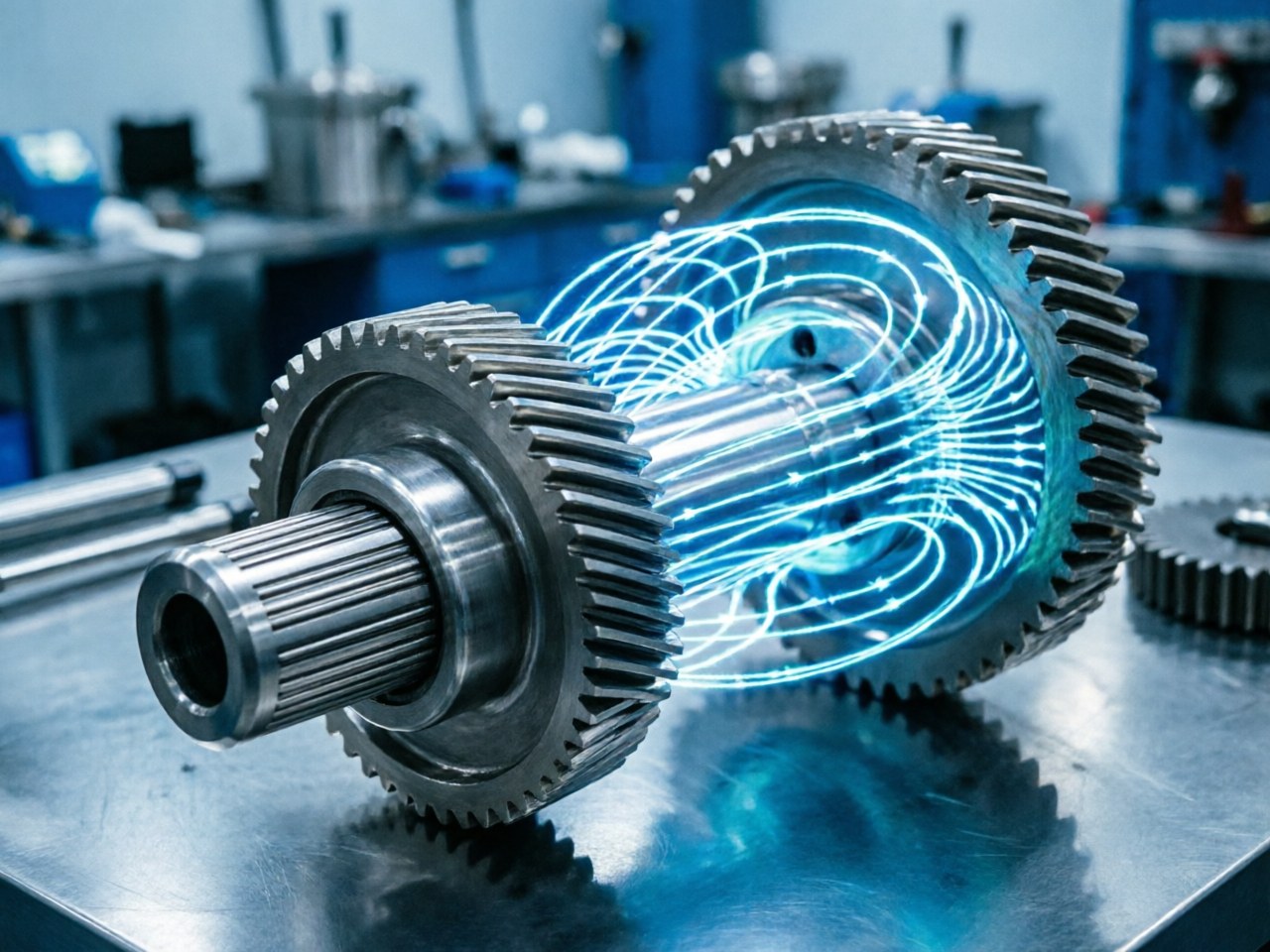
Understanding the Working Principle of Magnetic Gears: A Magnetic Component Selection Guide
Understanding the Working Principle of Magnetic Gears: A Magnetic Component Selection Guide Application Scenario Pain Points In modern industrial automation, robotics, and electric vehicle drivetrains, mechanical gearboxes are traditionally relied upon for torque conversion and…
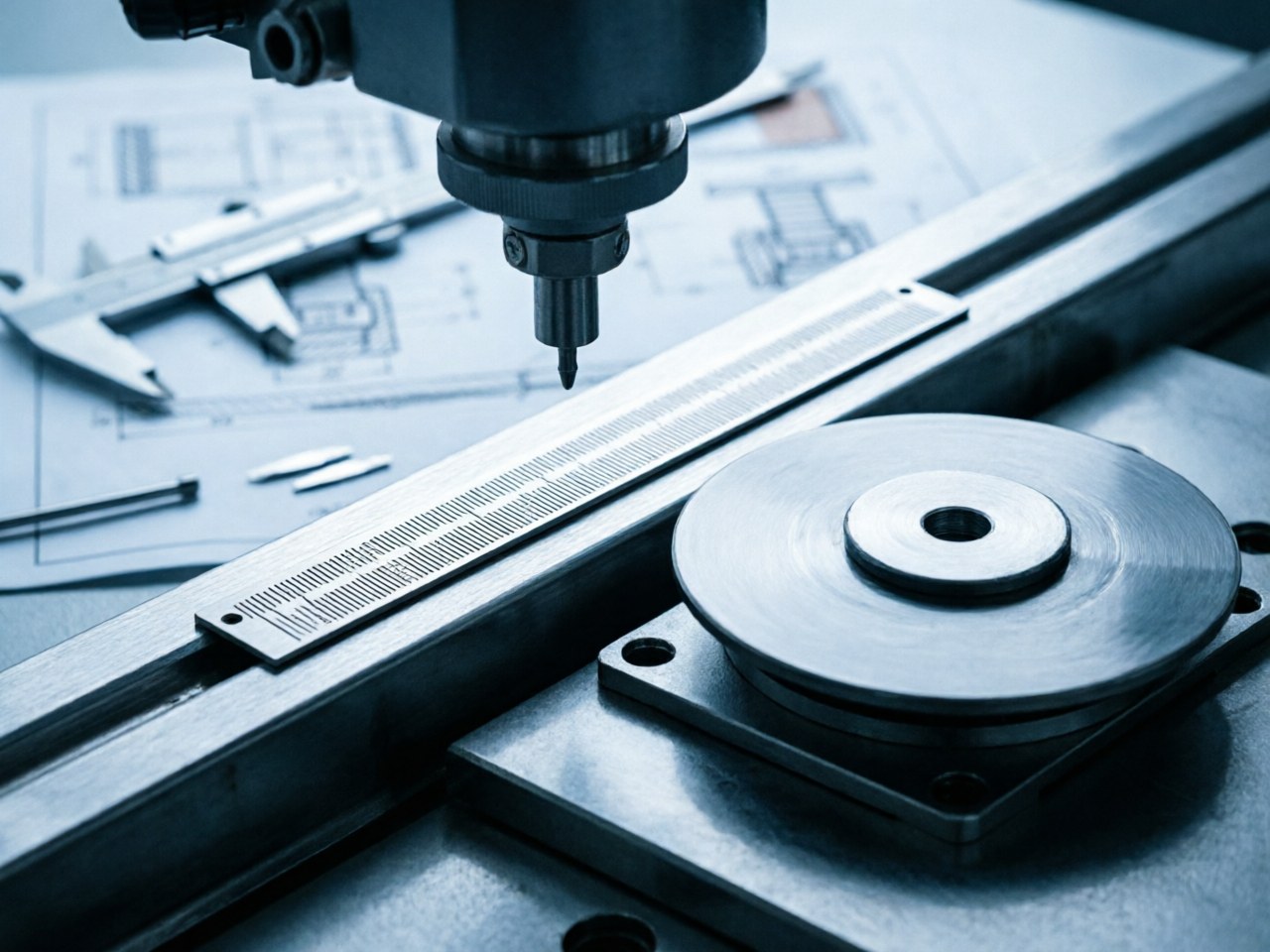
Differences Between Magnetic Scales and Precision Code Discs: How to Select Magnetic Encoding Products
Design engineers in precision motion control frequently struggle to choose between linear magnetic scales and rotary precision code discs. Both offer non-contact position feedback, but mismatching topology to application geometry or misjudging pole pitch and air gap tolerances…