
News Insights
Global magnetic materials industry market trend analysis, policy insights, and commercial perspectives from the AIC Engineering team.

Breakthroughs in Heavy-Rare-Earth-Free Sintered NdFeB Magnets: Profound Implications for Downstream Application Manufacturers
Price volatility and persistent supply uncertainties surrounding heavy rare earth resources are rapidly accelerating the industry's transition toward heavy-rare-earth-free sintered NdFeB magnets. This article provides a qualitative analysis of the profound implications this trend holds for permanent magnet motor architectures and magnetic component design. By examining upstream supply chain drivers, technological evolution pathways, and practical engineering adaptation challenges, the piece offers strategic guidance tailored for procurement decision-makers and application engineers. It details the necessary paradigm shift from traditional single-parameter purchasing to comprehensive process auditing and long-term reliability verification. Furthermore, it outlines actionable frameworks for enhancing supply chain resilience and implementing thermal-magnetic co-design. These insights are designed to help manufacturing enterprises optimize their cost structures, mitigate material dependency risks, and ensure delivery security during this critical window of technological iteration.
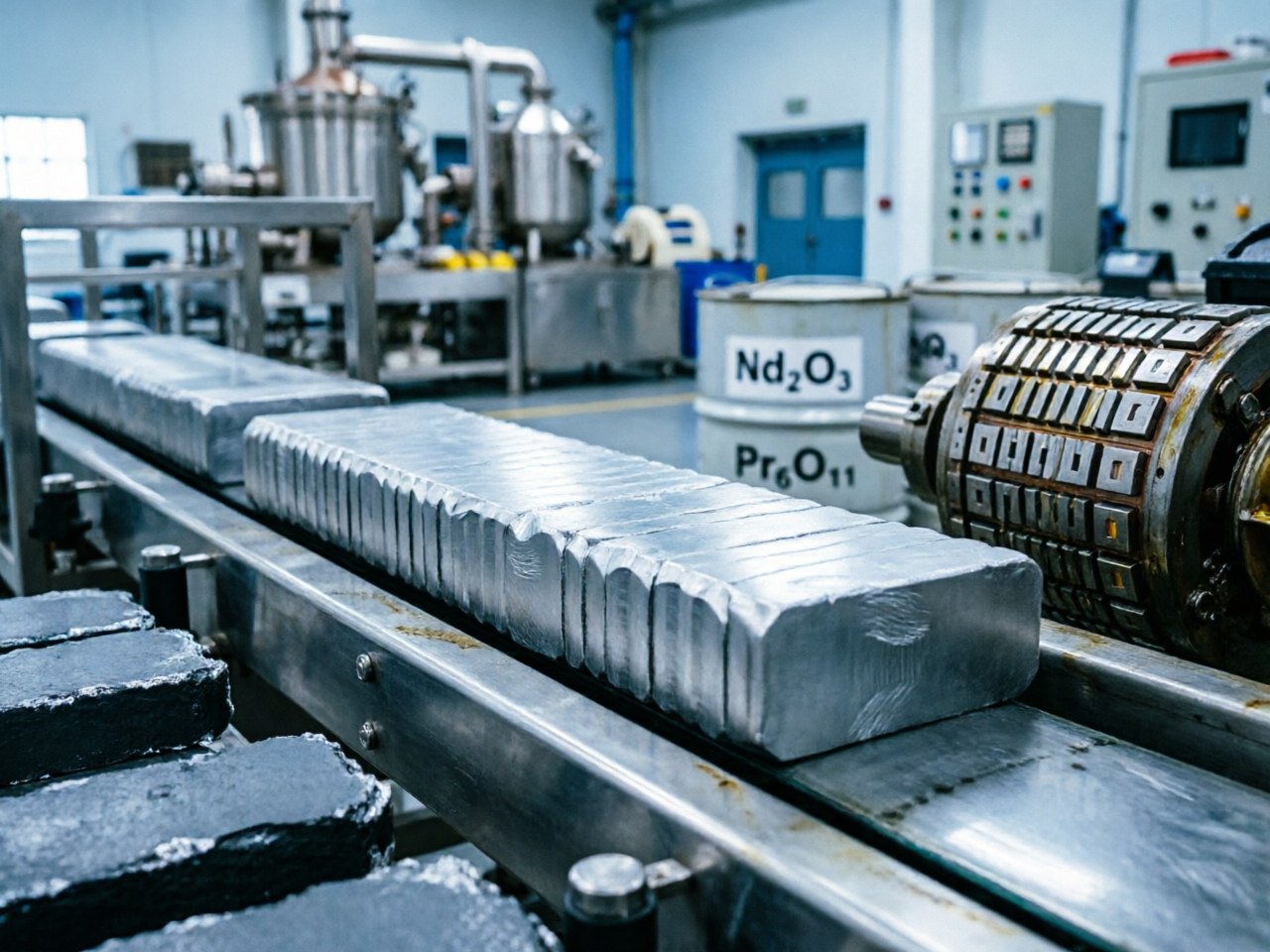
Global Rare Earth Permanent Magnet Supply Chain Restructuring: Upstream Capital Investment, Technological Evolution, and Procurement Strategy Responses
The global rare earth and permanent magnet industry is currently exhibiting strong policy-driven and capital-intensive characteristics. Overseas mining enterprises are rapidly expanding separation and magnet-grade raw material capacities, while artificial intelligence is increasingly penetrating magnet manufacturing processes. Drawing on the latest industry developments, this article provides an in-depth analysis of how upstream capital expenditures and technological advancements impact the cost structure and supply dynamics of permanent magnet materials such as neodymium iron boron (NdFeB). It offers procurement decision-makers and application engineers a practical framework for navigating price volatility, optimizing supplier evaluation, and building resilient supply chains. By examining geopolitical shifts, manufacturing digitization, and component-level customization trends, the analysis highlights actionable strategies to secure long-term material stability and maintain competitive advantage in high-performance motor and automation applications.
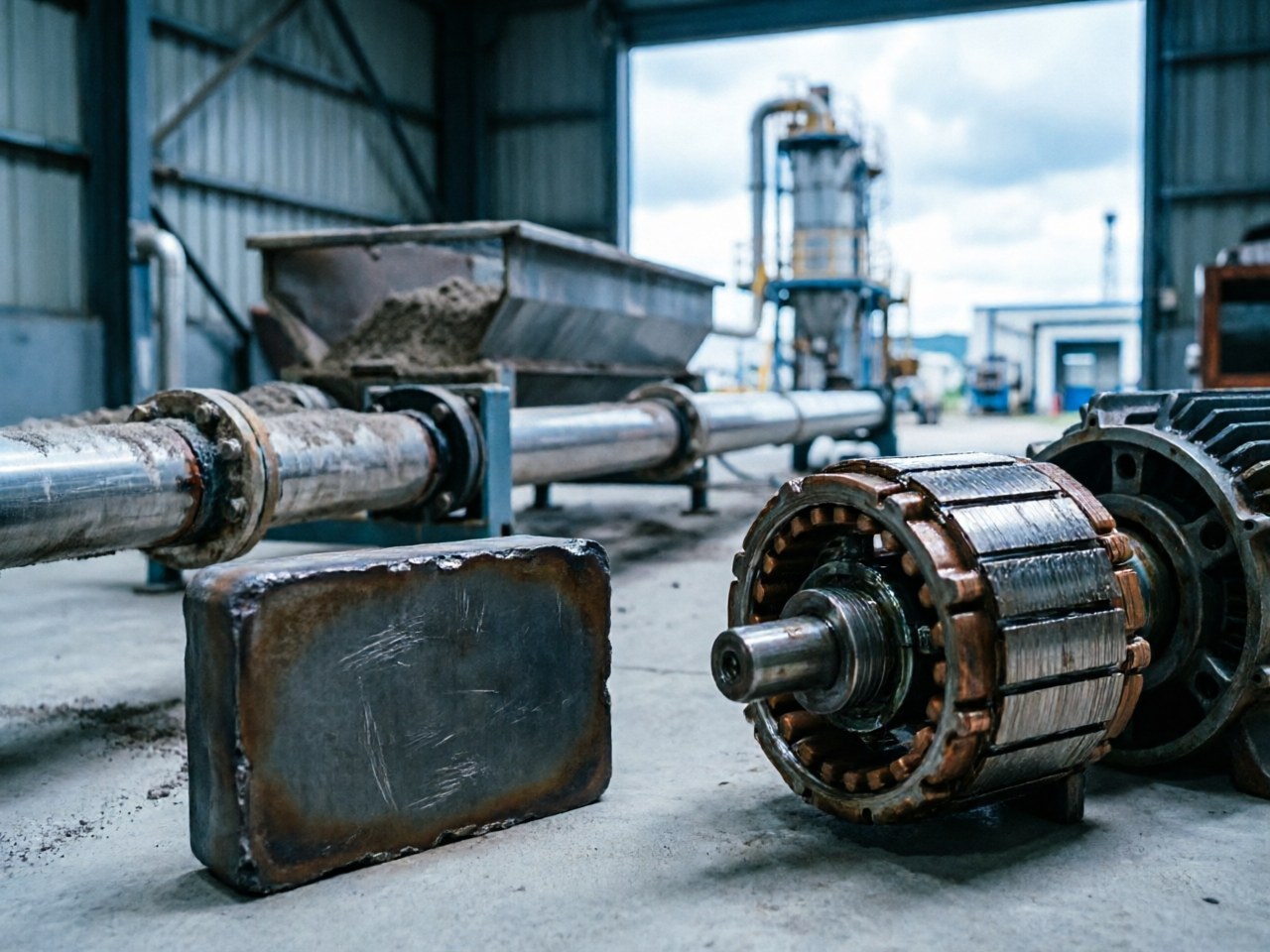
Global Permanent Magnet Supply Chain Restructuring: Capital Inflows, Capacity Ramp-Up, and the Rebalancing of Procurement Strategies
Recent intensive initiatives across Europe, the US, and Australia to localize rare earth and permanent magnet projects have attracted substantial capital and policy support, covering everything from resource extraction to precursor manufacturing. Nevertheless, overseas capacity expansion continues to encounter practical hurdles in technology transfer, yield optimization, and cost control. Meanwhile, China continues to solidify its competitive edge in high-end magnet manufacturing equipment, specialized engineering talent, and continuous process iteration. This article synthesizes the latest industry developments, examines the cost transmission mechanisms and technological trends driving supply chain restructuring, and delivers actionable guidance for procurement leaders and application engineers. By addressing raw material price volatility and optimizing NdFeB and magnetic component selection strategies, enterprises can better secure supply chain resilience and maintain strict performance consistency throughout complex market cycles.